These Kilimanjaro FAQs answer the practical questions our travellers ask before choosing a route. Use them with your individual proposal: your dates, health, experience and agreed services determine the final plan.
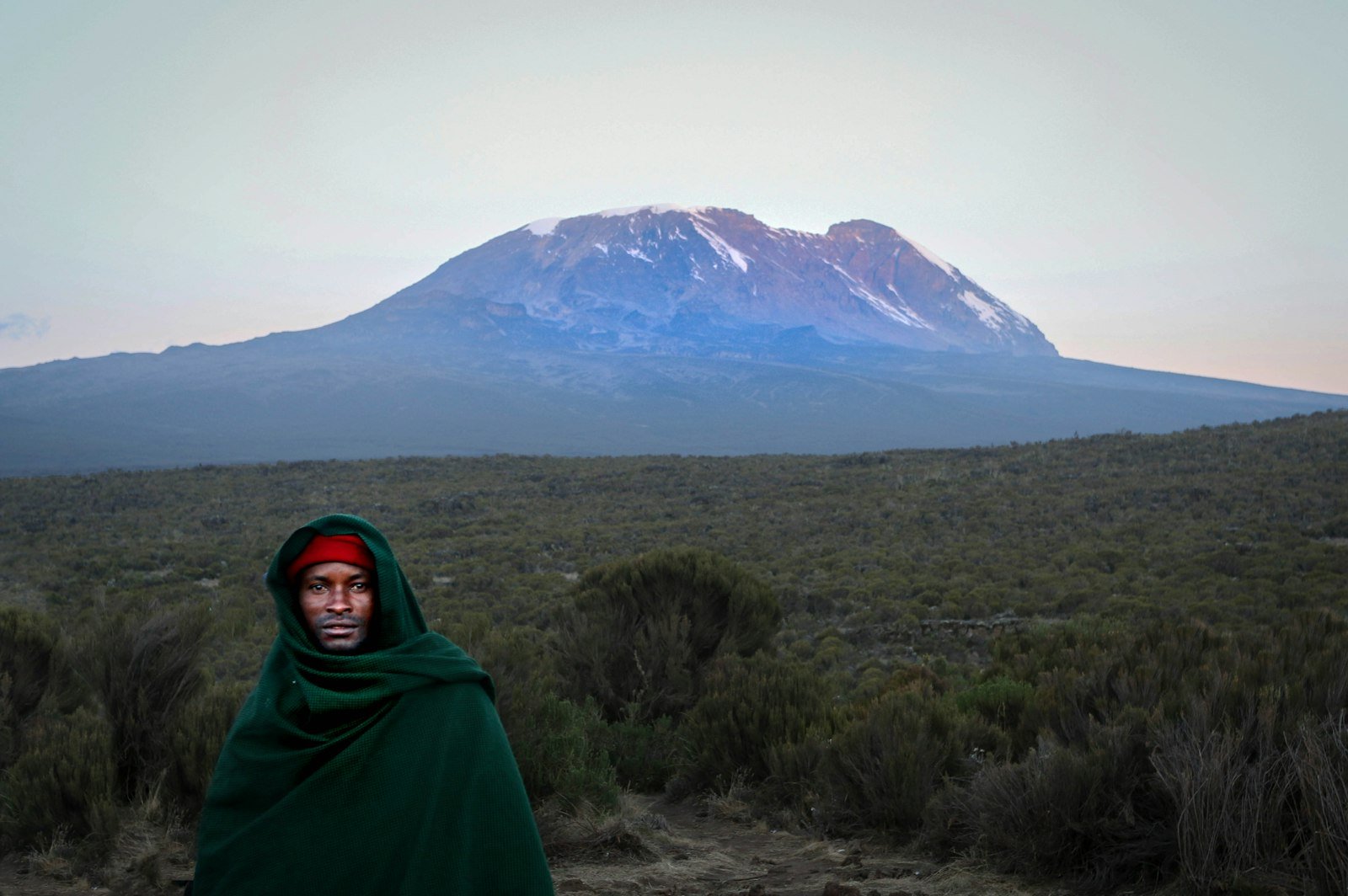
1. How high is Mount Kilimanjaro?
Uhuru Peak is 5,895 metres above sea level. The summit is the objective of our standard Kilimanjaro treks, but reaching it always depends on your wellbeing, the weather and your guide’s decisions.
2. How many routes can I choose from?
Our guides cover seven established approaches: Machame, Lemosho, Marangu, Rongai, Northern Circuit, Shira and Umbwe. Compare the starting altitude, daily stages and sleeping arrangements, not only the number of days.
3. Which route should a first-time trekker consider?
Discuss the seven-day Machame and eight-day Lemosho options with our team. Your previous walking, comfort with camping, available time and health history matter more than a universal best-route label.
4. How many days should I allow?
Our route itineraries contain six to nine trekking days. Add arrival and departure time and check whether town hotel nights are included in your quotation. Longer programmes offer more time for adjustment, without guaranteeing success.
5. Do I need technical climbing experience?
The standard trekking routes are usually walked rather than climbed with ropes. However, altitude, cold, loose ground and sections such as the Barranco Wall make this a serious undertaking. Tell us about your experience before selecting a route.
6. How should I train?
Build up regular hiking and walking on hills, with gradual increases in duration. Practice in your own boots and daypack. Include recovery and avoid arriving exhausted. Ask a qualified professional for an individual plan if you have health concerns.
7. Can a fit person develop altitude illness?
Yes. Good fitness does not protect you from altitude illness. Your altitude exposure and rate of ascent matter, and previous success does not guarantee the same response on another climb.
8. What should I do if I feel unwell?
Tell your guide immediately. Do not ascend with altitude-illness symptoms. Worsening symptoms or severe warning signs require prompt descent and medical attention; never hide symptoms to continue toward the summit.
9. Should I take altitude medication?
Discuss prevention and your own medical history with a qualified travel-health clinician before departure. Medication is not a substitute for a sensible ascent plan. Do not copy someone else’s prescription or dosage.
10. Is the summit guaranteed?
No. We plan carefully, but weather, illness, trail conditions and turnaround times may prevent the summit. Returning safely takes priority over completing a route or reaching a particular sign.
11. Which months are popular for climbing?
January–February and June–October are commonly chosen drier periods. Conditions vary from year to year, and rain, wind or snow can occur in any month. Read our season guide before deciding.
12. Will I sleep in a tent or hut?
Marangu uses shared mountain huts. Our other standard summit routes use camping arrangements. The written proposal will specify tent sharing, group equipment and any separately priced upgrades.
13. What should I pack?
Bring layered trekking clothing, warm summit layers, waterproof protection, broken-in boots, gloves, headwear, a headlamp, suitable sleeping equipment and personal essentials. Use our full packing page to organise what you carry and what you may hire.
14. Can I hire equipment?
Ask us for a dated hire list and availability before travelling. Tell us the sizes and items required. Equipment is only included when it appears in your written quotation; do not assume a sleeping bag or jacket is supplied.
15. Who carries my luggage?
The arranged porter team carries agreed expedition luggage and group equipment. You carry your daypack with water, layers and essentials. Your briefing will confirm luggage limits and the bag arrangement for your specific climb.
16. What is the meal plan?
Mountain itineraries use full board during the trek, with meals prepared by the arranged team. Town-hotel meals and arrival or departure meals follow the written proposal. Please declare allergies and dietary needs in advance.
17. Can you arrange vegetarian or halal meals?
Tell us your exact requirements before booking. We will confirm what the mountain crew and hotel can provide, including any limitations. Requests for a Muslim guide or specific food preparation need individual confirmation.
18. Is drinking water provided?
Trekking quotations specify drinking-water arrangements. Bring reusable containers that are practical in cold conditions and follow the guide’s instructions. Do not assume untreated stream water is safe to drink.
19. Are airport transfers included?
Check the individual itinerary and final quotation. Some programmes include them and others are priced from the town meeting point. Send your flight details so the pickup and departure arrangements are unambiguous.
20. Which airport is convenient?
Kilimanjaro International Airport, JRO, serves the northern Tanzania mountain region. Tell us your actual arrival airport and flight time before booking transfers; alternative arrival cities need different arrangements.
21. What does the starting price mean?
It is an indicative USD price per person for the stated programme, subject to dates, group size and confirmed services. It is not a booking confirmation. Your written quotation identifies hotel nights, transfers, equipment, park costs and exclusions.
22. What deposit do you request?
The initial climbing deposit is normally USD 100–200 unless another arrangement is agreed in writing. Your quotation will state the exact amount, balance deadlines and cancellation terms before payment.
23. Can I book a private climb?
Yes, request a private arrangement for your preferred dates and party. Our team will confirm crew and accommodation availability and issue a tailored quotation. Do not assume a private price equals a joining-group rate.
24. Can children climb Kilimanjaro?
Send the child’s age and experience before booking. We must check current park participation rules, route demands and medical suitability. Safari child-pricing rules do not automatically make a mountain climb suitable or free.
25. Can you arrange an accessible mountain experience?
Tell us the support and equipment you need. Summit trails, huts and camps must be assessed individually; we do not describe all routes as wheelchair accessible. A lower-slope visit or another tailored experience may be more suitable.
26. Do I need travel insurance?
Arrange cover that explicitly includes your planned trekking altitude, emergency medical treatment, evacuation and any other activities. Check the wording with your insurer and carry the emergency contact details.
27. Will my phone work on the mountain?
Coverage and charging opportunities vary. Keep emergency communication arrangements separate from personal phone use. Bring an appropriate power bank and protect batteries from cold; continuous mobile internet is not promised on a trek.
28. How are tips handled?
Tips are separate unless your quotation says otherwise. Ask for a crew-size-based tipping guide before travelling, and discuss a transparent distribution process with the team. Do not substitute safari tipping figures for an entire mountain crew.
29. Can I add Mount Meru, a safari or Zanzibar?
Yes. We can arrange a broader journey with suitable rest and transfer time. A Meru trek still requires its own preparation and does not guarantee a later Kilimanjaro summit.
30. How do I start booking with Tartaruga Safaris?
Email info@tartarugasafaris.com or use our contact form with your dates, traveller numbers, preferred route and experience. Our team will discuss the programme, send a written quotation and explain the next steps.
More help with planning
Continue from these Kilimanjaro FAQs to our route comparison, packing list and climbing-season guide. Health information is general preparation guidance; discuss your own circumstances with a clinician. See the CDC altitude-travel guidance.
Plan smarter. Travel better.
Tell our Tartaruga Safaris team your dates, previous trekking experience and number of travellers. We will help you choose a realistic route and prepare a written quotation.