TARTARUGA SAFARIS · CLIMBING PREPARATION
Kilimanjaro Training Plan for Beginners
Prepare for your first Kilimanjaro climb with a gradual walking and strength routine. Use this suggested plan as a starting point, then adapt it to your current ability and the route you choose.
A steady start, stronger walking days
Allow about 12–16 weeks if you already walk regularly. Begin earlier if you are currently inactive. Build endurance, practise hills and descents, and get comfortable with the boots and daypack you will use.
Fitness supports your walking. Acclimatisation needs its own time and a suitable route; training does not prevent altitude illness.
Your suggested preparation plan
Weeks 1–4: establish a comfortable routine
Walk 3–4 times a week for 30–60 minutes at a conversational pace. Then add a longer weekend walk of about 1–2 hours. Start on easy ground and introduce gentle hills as you feel comfortable.
Twice a week, practise sit-to-stands or squats, low step-ups, calf raises and simple core work with controlled technique. Begin with 1–2 comfortable sets. Leave recovery time between demanding sessions.
Weeks 5–8: add time on your feet
Build towards 3 weekday aerobic sessions of 45–75 minutes, including one hill or stair session. Extend your weekend walk gradually towards 2–4 hours. Keep two short strength sessions each week.
Next, introduce your actual boots, socks and trekking poles. Start with a light daypack and add only the equipment you expect to carry. Increase one variable at a time—duration, climb or pack weight—and reduce the load if soreness persists.
Weeks 9–12: practise mountain days
Keep 2–3 moderate weekday sessions and walk about 4–6 hours on some weekends if you can do so comfortably. Include varied terrain, uphill effort and careful descents. Try an occasional shorter walk the following day to practise walking on tired legs.
Use your expected daypack, often around 4–7 kg depending on water and equipment. Agree the load with our team; heavier is not automatically better. Practise eating, drinking, layering and foot care during your walks.
Weeks 13–15: rehearse and consolidate
If you have allowed 16 weeks, use these weeks to repeat comfortable long hikes rather than suddenly increasing intensity. A useful preparation goal is a 5–7 hour hill walk followed by a shorter walk the next day, with manageable fatigue and good recovery. This is a practice target, not a medical clearance or a guarantee of summit success.
Final 7–10 days: arrive rested
Reduce training volume, keep a few easy walks and gentle mobility sessions, and avoid a last-minute hard challenge. Prioritise sleep, familiar meals, hydrated travel and comfortable boots. Plan arrival time for your equipment check and guide briefing.
An example training week
- Monday: rest or a gentle walk.
- Tuesday: moderate walk and a short strength session.
- Wednesday: easy aerobic activity.
- Thursday: hills or stairs, plus strength if recovered.
- Friday: rest and mobility.
- Saturday: progressively longer outdoor walk.
- Sunday: easy recovery; later in training, an occasional second walking day.
Age, health and choosing your route
There is no single best age for Kilimanjaro. Prepared adults, including older adults, may be suitable after an individual assessment. Teenagers need parent or guardian involvement and confirmation of current park rules. A summit climb is not a routine young-child holiday.
Beginners should discuss longer itineraries with our team. Shorter programmes and steep routes such as Umbwe leave less margin for acclimatisation or recovery. Medical conditions, previous altitude symptoms or concerns about exercise should be discussed with a qualified clinician before booking.
Altitude symptoms need prompt action
CDC guidance states that training and physical fitness do not affect the risk of altitude illness. Report symptoms promptly to your guide, avoid further ascent when unwell and follow descent decisions. Read the CDC high-altitude travel guidance. This exercise plan does not prescribe altitude medication.
Plan your climb with Tartaruga Safaris
Tell us your hiking experience, current weekly activity, age range and available preparation time. We will help you compare routes and plan the practical arrangements. Compare Kilimanjaro routes · Packing list · Climbing prices.
Beginner Kilimanjaro training FAQs
Can a beginner climb Kilimanjaro?
A well-prepared beginner may be suitable after an individual route and health review. You need walking endurance, preparation time and an appropriate ascent schedule. Tell us about your current activity and previous hiking before choosing a route.
How early should I start training?
Allow about 12–16 weeks if you already walk regularly. Start earlier if you are currently inactive or need more time to build comfortable walking habits. Progress should follow your recovery and ability, rather than a fixed deadline.
How many days each week should I exercise?
Use the example week as a flexible starting point: regular moderate walks, two short strength sessions, a longer weekend walk and recovery days. Begin with fewer or shorter sessions if necessary. Avoid increasing duration, hill effort and pack weight all at once.
Do I need a gym or can I train outdoors?
You can prepare with outdoor walks, hills, stairs and simple strength exercises. A gym can help when outdoor access or weather is difficult, but include real walks on uneven ground and descents whenever practical.
How long should my practice hikes become?
Build gradually towards several hours of comfortable hill walking. Later in preparation, an occasional 5–7 hour walk followed by a shorter walk the next day can help you practise pacing and recovery. This is a suggested goal, not a guarantee of summit success.
Should I train with a daypack?
Yes. Start light, then practise with the daypack and approximate load agreed with our team. Carry the water, layers and essentials you expect to use. You do not need to train with a porter’s load.
When should I start wearing my climbing boots?
Use your boots and intended socks during training, well before departure. Practise on different surfaces and descents, check the fit and resolve rubbing before your trip. Avoid arriving with untested footwear.
Is there a best age for Kilimanjaro?
There is no single best adult age. Health, walking endurance and recovery matter more than an age band. Teenagers require parent or guardian involvement and confirmation of current park eligibility. Discuss personal suitability with a qualified clinician before booking.
Does being very fit prevent altitude illness?
No. CDC guidance states that training and physical fitness do not affect altitude-illness risk. A suitable ascent schedule, symptom reporting and the guide’s decisions remain essential. Read the CDC high-altitude travel guidance.
What if I have less than 12 weeks before my climb?
Tell us your current routine, hiking history and departure date. We can review your route and preparation time with you. Avoid trying to compress months of conditioning into a sudden intensive programme; changing your travel date or itinerary may be more suitable.
Should I keep training hard until departure?
Reduce training volume during the final 7–10 days. Keep easy walks and gentle mobility, prioritise rest and avoid a last-minute demanding challenge. Arriving recovered is part of your preparation.
Which route should I choose for a first climb?
Discuss longer itineraries with our team, especially if you have no high-altitude experience. Shorter programmes allow less acclimatisation time, and steep routes such as Umbwe are more demanding. We will compare the options with your experience, dates and preferences.
Ready to plan your climb?
Tell us your hiking experience, current routine and available preparation time. We will help you compare routes and plan the arrangements.
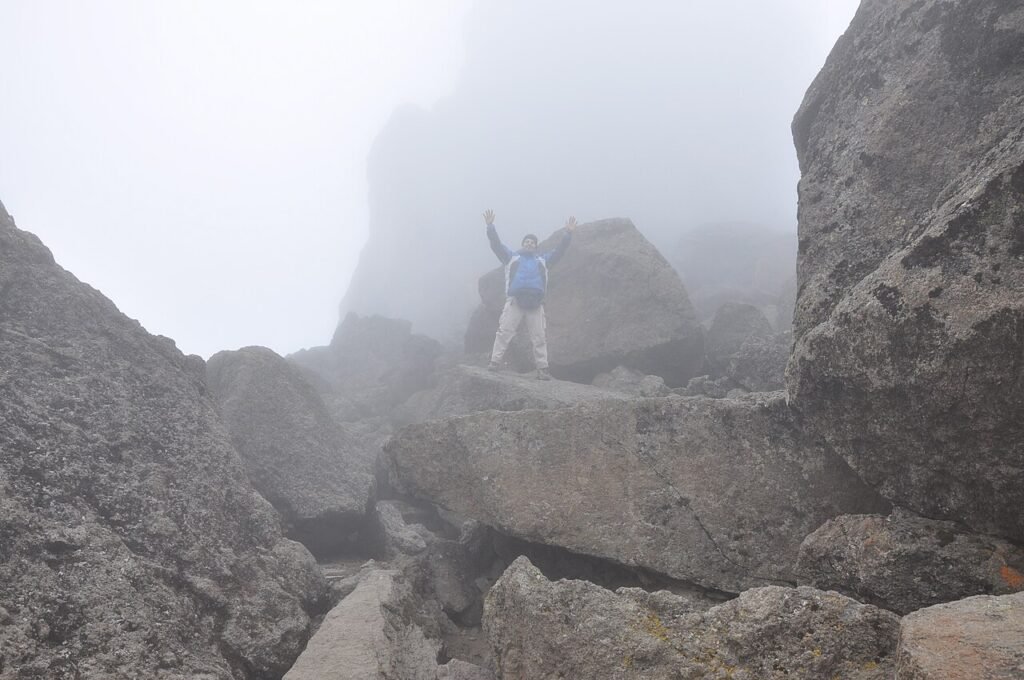
Mountain photo from our existing credited collection. Photo credits.